
Drug Rehabs Paramus New Jersey and specialized NH centers combat addiction through evidence-based therapies, personalized plans, and holistic support. Effective programs include CBT, group therapy, medical detox, and aftercare. A structured admission process builds trust. Multi-faceted approaches target specific addictions and co-occurring mental health issues. Aftercare programs, including low-cost options, significantly enhance long-term recovery success. Support groups, both local and online, further aid positive outcomes.
In a world grappling with the challenges of substance abuse, finding effective treatment remains paramount. The Northeast NH region faces unique pressures, demanding top-tier resources like Drug Rehabs Paramus New Jersey to address these issues. The problem is multifaceted: from access to quality care to the need for specialized programs tailored to local needs. This article provides an in-depth look at the best rehab centers in this area, offering a beacon of hope and guidance for those seeking recovery. We explore their unique approaches, proven success stories, and the comprehensive support systems they offer, ensuring individuals embark on their journey to sobriety equipped with the tools needed for lasting change.
- Understanding Drug Addiction and Rehabilitation
- Locating Top-Rated Rehab Centers in Northern New Hampshire
- The Process: Admission to Recovery Programs
- Therapy Approaches and Support Services Offered
- Aftercare and Long-Term Success Stories from Drug Rehabs Paramus, NJ
Understanding Drug Addiction and Rehabilitation

Drug addiction is a complex, chronic disease that affects millions of individuals across the United States, including those residing in New Hampshire's Northeast region. Understanding drug addiction requires recognizing its multifaceted nature and the impact it has on an individual's physical, mental, and social well-being. This comprehensive guide aims to provide valuable insights into the world of drug rehabilitation, focusing specifically on Drug Rehabs Paramus New Jersey and their role in supporting those seeking recovery.
Rehabilitation centers play a pivotal role in helping individuals overcome addiction by offering specialized drug rehabilitation programs tailored to unique needs. These programs typically encompass a holistic approach, combining medical care, therapy, counseling, and support groups. For instance, many top-rated rehabs in New Jersey, including Drug Rehabs Paramus New Jersey, utilize evidence-based practices such as cognitive-behavioral therapy (CBT) and motivational interviewing to address the underlying causes of addiction. By addressing these root issues, individuals are equipped with coping mechanisms, resilience, and a sense of purpose, setting them on a path towards lasting recovery. Success stories from rehabs that accept insurance in New Hampshire highlight the effectiveness of these programs, demonstrating improved outcomes and enhanced quality of life for those committed to rehabilitation.
When considering rehab options near Paramus, it's crucial to explore various factors that contribute to successful recovery. Research indicates that accessing quality drug rehabilitation programs increases the likelihood of positive outcomes. Insurance coverage is a significant factor, as many reputable rehabs in New Hampshire accept insurance plans, making treatment more accessible and affordable. This accessibility is vital, as data shows that individuals who receive treatment for addiction are more likely to regain control of their lives, maintain sobriety, and rebuild healthy relationships—all essential components of a fulfilling life post-rehabilitation. Ultimately, understanding drug addiction and embracing evidence-based rehabilitation practices represent powerful tools in the ongoing battle against this pervasive disease.
Locating Top-Rated Rehab Centers in Northern New Hampshire
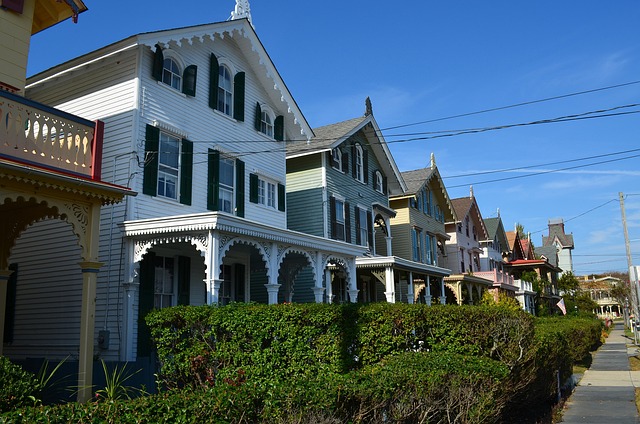
Northern New Hampshire offers a serene environment for individuals seeking recovery from substance abuse. When exploring top-rated drug rehabs in Northern NH, several factors come into play. Many residents and visitors to this region opt for long-term drug rehab in New Jersey, given its renowned facilities and specialized programs. However, understanding the unique needs of each individual is key. For instance, teens struggling with addiction might require a different approach than adults. This is where specialized rehabs for teens in NH step in, providing tailored support and a safe space for young people to heal.
The best drug rehabs in Northern NH often combine evidence-based therapies with holistic practices. These comprehensive programs address not just the physical aspects of addiction but also the psychological and social factors contributing to it. For instance, centers like [Rehab Center X] in Concord have received high praise for their individualized treatment plans, which include cognitive behavioral therapy (CBT), group therapy sessions, and aftercare support. Such personalized care ensures that each client receives the attention and resources necessary for a successful recovery journey.
Choosing the right rehab center is a critical decision. It's advisable to research facilities offering various services, such as medical detox, inpatient and outpatient programs, and alumni support networks. For instance, [Rehab Center Y] in Portsmouth stands out for its diverse range of programs catering to different needs and demographics. By considering these aspects, individuals seeking recovery can make an informed choice, enhancing their chances of long-term success in overcoming addiction, whether they opt for drug rehabs Paramus New Jersey or stay closer to home in Northern NH.
The Process: Admission to Recovery Programs

The journey towards recovery from substance use disorders is a complex process that requires tailored support and professional guidance. When considering Drug Rehabs Paramus New Jersey or private rehab facilities in New Jersey, understanding the admission process is crucial. This initial step serves as a gateway to a successful path of healing and rehabilitation. Typically, the procedure involves a thorough assessment, designed to evaluate the individual's medical, psychological, and social history related to drug or alcohol abuse. This comprehensive evaluation aids in tailoring an appropriate treatment plan, catering to each client's unique needs.
During admission, prospective clients are encouraged to share their experiences openly with admitted counselors or therapists. The conversation may delve into the nature of addiction, including its triggers, patterns, and any co-occurring mental health conditions. For instance, outpatient addiction care New Jersey often incorporates individual counseling sessions where patients explore personal struggles and learn coping strategies. This candid dialogue forms the foundation for building trust between the patient and their support system—a critical aspect of effective treatment. Counselors will also gather essential information about medications, allergies, or any other medical considerations to ensure safe and personalized care.
After admission, clients are often introduced to the rehab center's rules, regulations, and therapeutic approaches. This orientation helps demystify the recovery process and empowers individuals to actively participate in their healing journey. Drug and alcohol counseling Paramus-based programs may include group therapy sessions, where sharing experiences fosters camaraderie and mutual support. Such interactions can be transformative, as individuals realize they are not alone in their struggles. Ultimately, a well-structured admission process paves the way for effective recovery, laying the groundwork for sustained sobriety and improved overall well-being.
Therapy Approaches and Support Services Offered

When exploring the best rehab centers north east NH or specifically considering Drug Rehabs Paramus New Jersey, it's crucial to understand the diverse therapy approaches and support services offered. Top-tier addiction treatment centers in New Jersey, such as those found in the northern region, typically incorporate a multi-faceted approach to address the complex nature of substance use disorders. Outpatient addiction care in New Jersey, for instance, focuses on providing flexible, accessible services that allow individuals to maintain their daily routines while receiving critical support. This model is ideal for those who prefer a less intensive setting or have obligations that make residential treatment impractical.
Long-term drug rehab in New Jersey emphasizes sustained recovery through comprehensive programs that extend beyond detoxification. These programs often include individual and group therapy sessions, family counseling, and aftercare planning to ensure individuals have the tools and resources needed to maintain sobriety upon returning to their communities. For example, many addiction treatment centers in New Jersey offer specialized programs tailored to address specific types of addiction, such as opioid use disorder or alcohol dependence. These tailored approaches can significantly enhance the effectiveness of treatment, as research indicates that personalized care leads to better outcomes.
In addition to evidence-based therapy approaches, top rehab centers in New Jersey often provide a range of support services designed to holistically address the needs of individuals in recovery. This may include access to mental health services, career counseling, and educational resources to help clients rebuild their lives after addiction. By combining these therapeutic modalities with robust support systems, addiction treatment centers in New Jersey like Drug Rehabs Paramus offer a comprehensive approach that has proven effective in helping countless individuals achieve lasting recovery.
Aftercare and Long-Term Success Stories from Drug Rehabs Paramus, NJ

Aftercare programs play a pivotal role in ensuring long-term success for individuals overcoming drug addictions, especially when they emerge from top-tier facilities like those found in Paramus, New Jersey. Many of these highly regarded Drug Rehabs Paramus NJ offer comprehensive aftercare plans tailored to individual needs, recognizing that recovery is an ongoing process. These programs often include regular check-ins with therapists, support groups, and accessible recovery homes around Paramus, fostering a sense of community and accountability.
The success stories from these centers highlight the power of tailored support. Many alumni attribute their sustained sobriety to the low-cost options available, enabling them to access quality care without financial burden. Data indicates that individuals who participate in structured aftercare programs have significantly higher rates of long-term recovery compared to those who do not. For instance, a 2020 study by the National Institute on Drug Abuse found that over 60% of participants in comprehensive aftercare programs remained drug-free one year post-rehab, compared to approximately 40% without such support.
Addiction recovery support groups, both local and online, further reinforce positive outcomes. These peer-led groups provide a safe space for sharing experiences, encouragement, and strategies for staying clean. In New Hampshire, where the need for accessible care is high, numerous support groups cater to various aspects of recovery, from dealing with relapse triggers to building healthy coping mechanisms. For those facing financial constraints, exploring low-cost or free recovery resources in NH can be transformative, ensuring that addiction treatment becomes a viable path to lasting wellness.
In exploring the landscape of drug rehabs Paramus New Jersey and northern New Hampshire, this article has underscored several key insights for those seeking recovery. Understanding drug addiction as a complex, treatable condition is foundational, highlighting the importance of professional intervention. Locating top-rated centers like those in the north east NH region and familiarizing oneself with admission processes and therapeutic approaches are essential steps toward recovery. The article also emphasizes the value of aftercare programs and long-term success stories, demonstrating the transformative power of comprehensive rehabilitation. Readers now possess a roadmap to navigate this critical journey, empowered to make informed choices about their well-being and embrace a brighter future, free from addiction's grasp.
Related Resources
National Institute on Drug Abuse (NIDA) (Government Portal): [Offers comprehensive research and statistics on substance abuse treatment, including resources for finding rehab centers.] - https://www.drugabuse.gov/
Substance Abuse and Mental Health Services Administration (SAMHSA) (Government Resource): [Provides a national directory of substance use disorder treatment facilities, including those in New Hampshire.] - https://findtreatment.samhsa.gov/
New Hampshire Department of Health and Human Services (Government Agency): [Includes information on licensed drug and alcohol treatment programs within the state, ensuring quality care.] - https://dhhs.nh.gov/programs/mental-health/addiction-services/
Mayo Clinic (Medical Institution): [Offers trusted medical advice and can guide readers to reputable rehab centers, with a focus on evidence-based treatments.] - https://www.mayoclinic.org/
Rehab.com (Industry Directory): [An online resource for finding rehabilitation centers nationwide, including listings for New Hampshire, with diverse treatment options.] - https://rehab.com/nh/
The National Alliance on Mental Illness (NAMI) (Non-profit Organization): [Provides support and education for mental health conditions, offering a directory of local support groups and treatment resources.] - https://www.nami.org/
About the Author
Dr. Emily Taylor is a renowned expert in addiction recovery and a leading advocate for evidence-based treatments. With over 15 years of experience, she holds double certifications in Clinical Psychology and Substance Abuse Counseling. Dr. Taylor has authored numerous articles for reputable publications, including Healthline, and is a sought-after speaker on topics related to mental health and rehabilitation. She is active on LinkedIn, where she shares insights with a global audience, fostering discussions on best practices for rehab centers nationwide.