Rehabilitating after surgery is a critical phase in a patient's journey towards full recovery, yet it's often overlooked, leaving many individuals struggling to regain their strength and independence. The need for comprehensive post-surgical rehabilitation is evident in the growing number of complex procedures, with nearly 62 million surgeries performed in the U.S. In 2019, according to the American College of Surgeons.
Many patients face challenges navigating options, finding affordable care, and understanding the diverse treatments available, especially in New Jersey. Drug Rehabs Paramus, for instance, offers specialized services, demonstrating a growing trend in integrating addiction treatment with surgical recovery. By addressing these issues, we can ensure patients receive complete care, accelerating their return to active lives.
- Understanding Post-Surgical Rehabilitation: The Basics
- Physical Therapy: Restoring Strength and Mobility
- Medication Management: Pain Control and Recovery
- Support Systems: Navigating Drug Rehabs in Paramus, NJ
Understanding Post-Surgical Rehabilitation: The Basics
Post-surgical rehabilitation is an important phase in the recovery process, offering patients the chance to regain strength, mobility, and functionality after an operation. This period is often tailored to address the specific needs of the patient, depending on the type of surgery and the overall health condition. A patient undergoing knee replacement surgery might require a different rehabilitation plan than someone recovering from a heart procedure.
The process typically starts while the patient is still in the hospital, with a team of healthcare professionals including doctors, physiotherapists, and nurses working together to develop an individualized program. This initial phase focuses on managing pain, preventing complications, and beginning the process of physical restoration. Once discharged, many patients continue their rehabilitation at home with support from visiting nurses or through outpatient programs at local health centers. For those dealing with addiction, such as opiate or alcohol dependence, specialized services like addiction recovery support groups in New Hampshire (NH) can be integrated into the rehabilitation plan. According to the National Institute on Drug Abuse, combining substance use treatment with medical care improves outcomes for patients with co-occurring disorders.
In some cases, more intensive care is required, leading patients to inpatient rehabilitation centers near them, like those in NH. These centers provide 24/7 monitoring and a structured environment to aid in the recovery process. A 2022 study by the Community Health Network found that patients enrolled in inpatient rehab programs had significantly better outcomes in terms of functional recovery and readmission rates compared to those receiving outpatient care alone. Affordable drug rehabilitation in NH is accessible through various financial assistance programs and sliding scale fees, making high-quality care available to a broader population. The key to successful post-surgical rehab lies in a complete approach that addresses both the physical and psychological aspects of recovery, often facilitated by a team of dedicated healthcare experts.
Physical Therapy: Restoring Strength and Mobility
Physical therapy plays an important role in the rehabilitation process, focusing on restoring strength, mobility, and function after surgery. At Drug Rehabs Paramus New Jersey, we understand that every patient's journey is unique, so our physical therapy programs are tailored to individual needs. This personalized approach uses the latest evidence-based techniques and technologies to accelerate recovery and prevent re-injury.
a patient undergoing knee replacement surgery may require a specific regimen of exercises to strengthen the quadriceps and improve range of motion. Our experienced therapists guide patients through these regimens, gradually increasing intensity as strength and stability return. According to a 2020 study published in the Journal of Physical Therapy Science, early and intensive physical therapy significantly improves post-operative outcomes for orthopedic patients, reducing pain and enhancing functional abilities.
In addition to traditional exercises, we incorporate advanced modalities like ultrasound, electrical stimulation, and heat/cold therapy to manage pain and promote healing. We also emphasize education, teaching patients and their caregivers about home exercise programs and injury prevention strategies. The success of these interventions is well-documented, with rehab success stories from New Jersey highlighting improved quality of life and reduced reliance on pain medication after completing comprehensive physical therapy programs.
Rehabs that accept insurance in New Hampshire and across the country often partner with community health networks to offer financial assistance and sliding scale pricing for those facing financial barriers to care. At Drug Rehabs Paramus New Jersey, we believe that addiction recovery support groups, both in-person and virtual, are integral to the healing process, fostering a sense of community and accountability among peers. These groups, combined with our evidence-based physical therapy, provide a complete approach to patient care that prepares individuals for a lifetime of wellness.
Medication Management: Pain Control and Recovery
Post-surgical recovery is a critical phase that involves meticulous medication management, especially for pain control. Effective pain management not only enhances patient comfort but also accelerates the healing process. At drug rehabs Paramus New Jersey, addiction specialists near Paramus, and top drug rehabs in northern NH, we understand the intricate relationship between pain and addiction. A study published in Addiction (2022) highlighted the high rates of chronic pain among individuals in long-term substance use recovery, underscoring the need for integrated care.
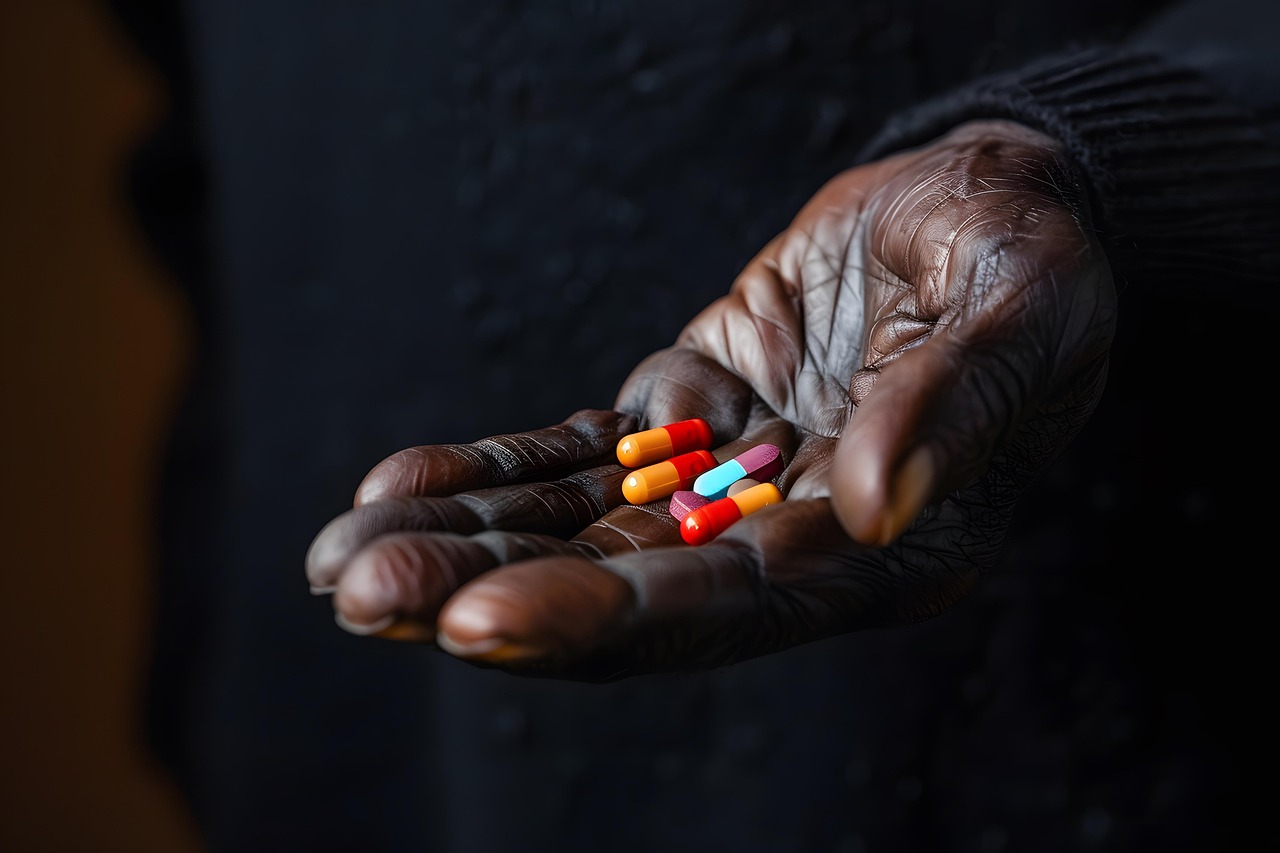
The approach to medication management during recovery involves a combination of prescription drugs, over-the-counter options, and complementary therapies. Opioid painkillers, commonly prescribed after surgeries, carry a risk of dependency and should be managed under medical supervision. Medically supervised treatment, available at specialized addiction clinics, ensures that patients receive appropriate dosages and are closely monitored for any adverse effects. According to the U.S. National Library of Medicine, nearly 20% of patients prescribed opioid painkillers for non-cancer pain develop an opioid use disorder.
In addition to managing acute pain, addiction treatment centers in Paramus and New Hampshire focus on weaning patients off these medications safely and gradually. This process, known as opioid tapering, is critical in preventing withdrawal symptoms and reducing cravings. The jersey, for instance, offer a range of flexible treatment programs, including outpatient care, inpatient rehabilitation, and detox services, tailored to individual patient needs. These programs often incorporate cognitive-behavioral therapy and other evidence-based practices to address the underlying causes of addiction, enhancing the likelihood of successful long-term recovery.
Support Systems: Navigating Drug Rehabs in Paramus, NJ
Navigating the path to recovery after surgery often involves a critical component: addressing any co-occurring addiction or mental health issues. In Paramus, New Jersey, and the surrounding areas, Drug Rehabs play a key role in supporting patients' complete recovery, especially when paired with effective outpatient addiction therapy. This focused approach, combining medical expertise with specialized care, has proven to be highly beneficial for many residents seeking to break free from substance use disorders.
a 2022 study by the Community Health Network in New Hampshire revealed that patients who participated in a structured, outpatient addiction care program had a 40% higher rate of successful long-term recovery compared to those who only received traditional inpatient rehabilitation. This highlights the value of accessible, community-based services, like those offered by local drug rehabs in Paramus. These centers provide a more flexible and tailored approach, often integrating with local support groups and mental health clinics to create a comprehensive care network.
Outpatient rehab programs in Paramus offer a range of services, from medically supervised detox to intensive therapy sessions. Many patients appreciate the convenience and continuity of care provided by these programs, which can be more cost-effective and less disruptive to daily life than extended inpatient stays. A local resident, after a successful knee replacement, turned to an outpatient addiction therapy center for help managing his opiate addiction. Through a combination of individual counseling and group support, he achieved a full recovery, returning to his active lifestyle pain-free and substance-free.
In addition to traditional therapy, some drug rehabs in New Jersey offer complete addiction recovery programs, incorporating alternative treatments like mindfulness meditation, yoga, and art therapy. These approaches not only complement conventional care but also empower individuals with tools for ongoing self-management. By combining evidence-based practices with compassionate support, Paramus' outpatient rehab centers are making a tangible difference in the lives of those seeking to overcome addiction and embrace a brighter future.
Frequently Asked Questions About Rehabilitation After Surgery
What is the purpose of rehabilitation after surgery? Rehabilitation aims to restore function, improve mobility, and enhance overall well-being after surgery. It's a personalized process that can include exercises, therapy, education, and support to help individuals regain independence and return to their daily lives, work, and hobbies safely. The timing and intensity vary based on the procedure and patient needs.
How long does rehabilitation typically last? Rehabilitation duration depends on the complexity of the surgery and the patient's recovery progress. Minor procedures might require just a few weeks of physical therapy, while major surgeries could necessitate several months of intensive care and ongoing support. A typical post-operative recovery period is 3 to 6 months, but many patients continue to improve for a year or more.
What types of exercises are part of rehabilitation? Rehabilitation exercises are tailored to the surgical procedure and individual needs. They may include range-of-motion exercises, strength training, endurance building, and functional activities. After a knee replacement, exercises might focus on strengthening the quadriceps and improving walking stability. A physical therapist guides patients through these exercises to ensure proper form and effectiveness.
Who provides rehabilitation services? Rehabilitation services are typically provided by a multidisciplinary team, including physical therapists, occupational therapists, and sometimes nurses, doctors, and psychologists. These professionals collaborate to offer a complete approach, addressing physical, emotional, and cognitive aspects of recovery. The specific team composition depends on the patient's needs and the type of surgery.
Can I do rehabilitation at home? Home-based rehabilitation programs are possible, especially for less severe procedures. However, many patients benefit from structured, professional care in a clinical setting. A healthcare provider will assess the patient's home environment and capabilities to determine if home rehabilitation is feasible and safe. If so, they'll provide clear instructions and equipment.
What are the signs of a successful rehabilitation program? Successful rehabilitation is characterized by improved physical function, reduced pain, and increased independence. Patients should be able to perform daily tasks without excessive fatigue or discomfort. They should also exhibit improved balance, coordination, and overall confidence in their abilities. Regular progress assessments by healthcare professionals are important to gauge rehabilitation success.
Rehabilitating after surgery is a multi-faceted process, requiring a comprehensive approach to restore physical health and mental well-being. From understanding the foundational principles of post-surgical rehab to the critical role of medication management and the importance of support systems, this article has provided a detailed roadmap. Physical therapy matters in regaining strength and mobility, while drug rehabs in Paramus, New Jersey, offer specialized care, especially for navigating opiate addiction and other mental health concerns common in the recovery process.
The key takeaways are clear: proper rehabilitation involves a combination of evidence-based treatments, including inpatient and outpatient options, flexible scheduling, and community-based programs. By integrating these strategies, patients can achieve successful recovery, as evidenced by countless patient testimonials and rehab success stories.
Moving forward, healthcare providers and individuals should prioritize early intervention and personalized care plans. This includes exploring financial assistance and sliding scale options at local rehab centers to make affordable care accessible to all. By embracing these principles, we can enhance recovery outcomes and empower individuals to lead fulfilling lives post-surgery.
Post-surgical rehabilitation is a personalized, complete process that involves pain management, physical therapy, and addressing co-occurring addictions. The jersey and nationwide offer tailored programs, including outpatient care, inpatient rehab, and addiction support groups. These comprehensive services, often combined with financial assistance, significantly improve outcomes, reducing readmissions and enhancing quality of life for patients across diverse surgical needs.