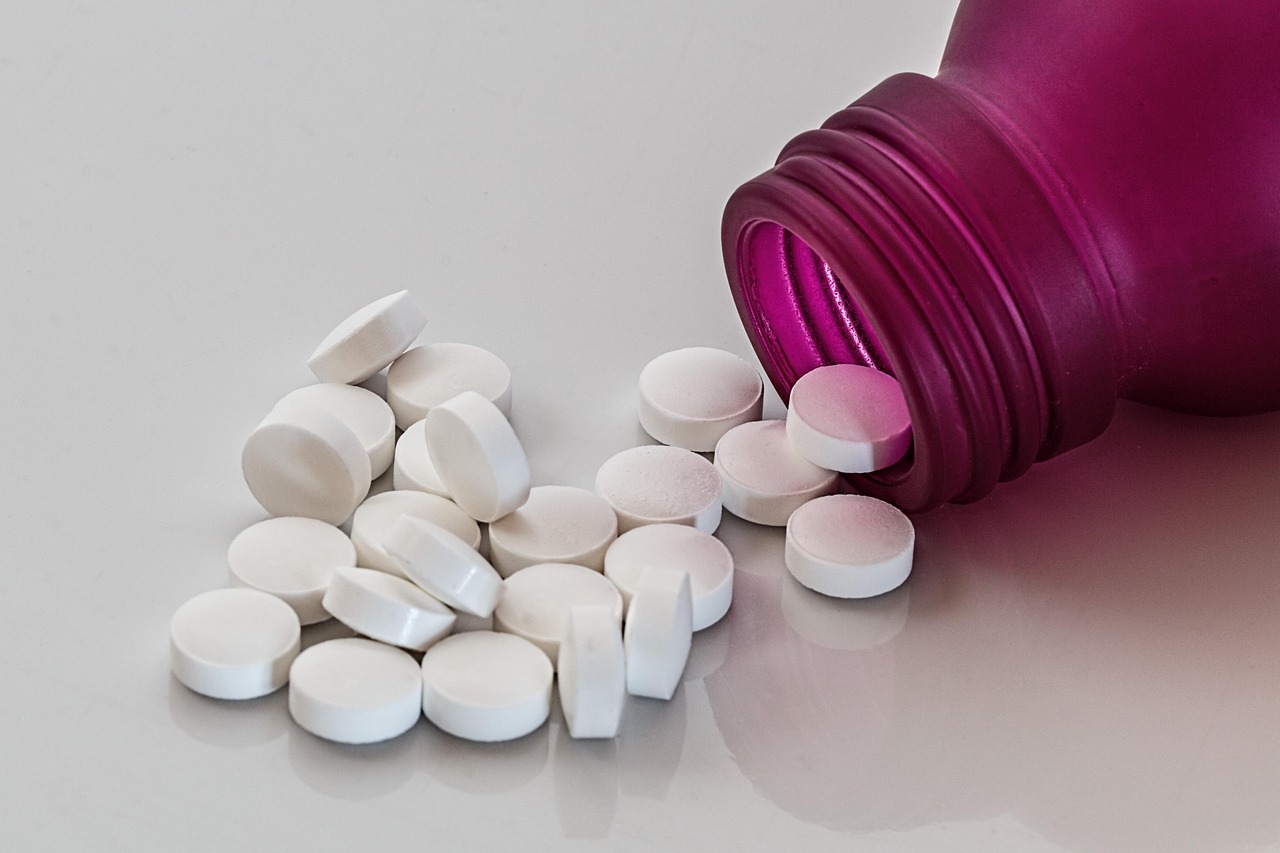
In the heart of Paramus, New Jersey, a critical need for quality, accessible addiction treatment has emerged, leading to a growing demand for effective solutions. The struggle with substance use disorders is a significant health concern, impacting not just individuals but entire communities. Drug Rehabs Paramus New Jersey offers a lifeline to those seeking recovery, providing specialized care tailored to the unique challenges of the local population.
The problem lies in the gap between need and available resources, with many individuals facing barriers to accessing the specialized intensive care they require. This article explores a comprehensive approach to addressing these challenges, highlighting innovative strategies and the critical role of local rehab centers in fostering a culture of recovery. By examining successful models, we aim to provide insights into how Paramus can better support its residents on their path to lasting sobriety.
- Understanding Paramus NH Intensive Care Unit's Role
- Patient Care: Protocols & Drug Administration
- Drug Rehabs Paramus New Jersey: Admission & Assessment
- Unit Management: Staffing & Resource Allocation
- Family Involvement: Support & Communication Strategies
- Continuous Improvement: Lessons & Best Practices
Understanding Paramus NH Intensive Care Unit's Role
The Paramus New Jersey intensive care unit (ICU) matters in the region's healthcare ecosystem, particularly in the treatment of severe substance use disorders. This specialized unit is equipped to handle complex cases of alcohol and drug addiction, offering critical support to patients in their journey towards recovery. The ICU's focus on comprehensive care, including medical supervision, detox, and psychological interventions, aligns with the needs of those facing the challenges of opiate addiction and other substance use disorders.
Patients admitted to the ICU often require close monitoring during the detoxification process. This is especially crucial for those struggling with alcohol and opiate addiction, as withdrawal symptoms can be severe and potentially life-threatening. The unit provides a controlled environment where medical staff can manage these symptoms effectively, ensuring patient safety and comfort. The ICU offers a stable foundation for connecting patients with longer-term drug rehabs Paramus New Jersey residents trust, such as those within the state's network of addiction treatment centers.
Integrating short-term ICU care with subsequent drug and alcohol rehab programs NH state-sanctioned offers a robust strategy for managing addiction. It allows for rapid intervention and stabilizes patients before they transition to outpatient care or community-based programs. This holistic approach, which includes support from local Narcotics Anonymous meetings Paramus NH, empowers individuals to take control of their lives, free from the grip of addiction. The ICU's role is to provide the initial boost, ensuring patients are ready to embrace the challenges and rewards of long-term recovery.
Patient Care: Protocols & Drug Administration
In the context of Drug Rehabs Paramus New Jersey, patient care protocols and drug administration are meticulously designed to ensure optimal recovery outcomes. Given the diverse nature of addiction, inpatient alcohol rehab near me in New Hampshire (NH) offers tailored programs that address not just the physical dependence on substances but also the underlying psychological issues. A typical patient care protocol might include initial detoxification under medical supervision, followed by a combination of individual and group therapy sessions. This holistic approach, which incorporates evidence-based practices, aims to equip patients with the tools needed to manage cravings and triggers long after they leave the intensive care unit.
For drug administration, the rehabilitation centers with low-cost options in NH prioritize safety, efficacy, and patient comfort. Medications such as methadone and buprenorphine are often used in opioid use disorder treatment to help wean patients off of highly addictive substances. These medications are administered under strict protocols, with regular monitoring to ensure their safe and effective use. Patients might be required to attend daily medication-assisted treatment sessions where they receive their prescribed medications and participate in counseling. This process is crucial in managing withdrawal symptoms and preventing relapse.
The low-cost rehab centers in NH often employ a multi-disciplinary team that includes physicians, nurses, counselors, and social workers. This collaborative approach ensures that patients receive comprehensive care that addresses their physical, emotional, and social needs. A patient with co-occurring mental health disorders might work with a psychiatrist for medication management while also engaging in individual therapy with a licensed counselor. This integrated care model not only improves recovery rates but also fosters a sense of community and support among patients.
To evidence-based treatments, these centers often offer flexible treatment options, including outpatient care, to accommodate the diverse needs of their patients. They also provide resources for aftercare, such as Narcotics Anonymous meetings and local support groups, to help individuals maintain their sobriety after completing the intensive care program. This continuous care model is designed to minimize the risk of relapse and support long-term recovery.
Drug Rehabs Paramus New Jersey: Admission & Assessment
When considering admission to a drug rehab in Paramus, New Jersey, the first step is a comprehensive assessment. This process is crucial as it ensures that each patient receives tailored treatment aligned with their specific needs. Addiction specialists near Paramus will evaluate a range of factors, including medical history, substance use patterns, and personal circumstances, to develop a personalized treatment plan. This assessment typically involves an intake interview, where patients discuss their history of addiction, any co-occurring mental health issues, and their goals for recovery. A patient might share their experience with opiate addiction and the challenges of finding a program that offers medically supervised treatment.
The assessment phase is designed to be holistic, taking into account not just the addiction but also the patient's overall well-being. This includes an evaluation of physical health, mental health, and social support systems. By understanding these factors, addiction specialists can recommend the most effective treatment options, whether it's inpatient rehabilitation, outpatient care, or a combination of services. A patient with a history of severe alcohol addiction might require a 30-day inpatient program followed by ongoing outpatient therapy and local support groups.
During this period, patients are also informed about the available financial assistance options and the program's accreditation status. Understanding the costs associated with rehab is essential, and many facilities offer sliding scale fees or financial aid programs to make treatment more accessible. Knowing that the rehab center is accredited by recognized organizations, such as the Joint Commission, provides assurance of quality care. Reading rehab reviews and patient testimonials from New Jersey residents can offer valuable insights into the effectiveness and support systems offered by various drug rehabs in the area. These resources help individuals make informed decisions about their health and recovery journey.
Unit Management: Staffing & Resource Allocation
In managing a drug rehab unit, especially one like the intensive care unit (ICU) at Paramus, New Jersey, facilities, staffing, and resource allocation are crucial. The ICU is a specialized unit designed to provide intense, around-the-clock care for patients with severe or acute medical conditions, including those in addiction treatment. At Drug Rehabs Paramus New Jersey, this unit matters in patient recovery, particularly for individuals with co-occurring mental health disorders or complex medical needs.
Effective management involves ensuring a balanced team of healthcare professionals, including physicians, nurses, and counselors, who are trained in both medical and psychological treatment centers New Jersey commonly face. Given the diverse needs of patients in addiction treatment, a multidisciplinary approach is essential. A nurse specialized in addiction medicine can collaborate with a psychologist to provide comprehensive care, combining medical detox with behavioral therapies. Allocating resources effectively means having the right technology and equipment to monitor patient vital signs, as well as access to a pharmacy for medication management, all crucial for a successful rehab stay.
Rehabs that accept insurance in New Hampshire, like those in Paramus, must also consider the financial burden on patients. While some may offer a sliding scale or financial assistance, others may require patients to navigate insurance coverage for the ICU stay. This process can be complex, so a dedicated admissions team or social workers who understand the insurance landscape can significantly help patients. They can explain what services are covered, coordinate with insurance providers, and offer guidance on out-of-pocket expenses, ensuring a smoother transition into treatment.
Family Involvement: Support & Communication Strategies
Family involvement is a cornerstone of successful recovery, especially in a critical setting like an intensive care unit (ICU). For patients undergoing alcohol and drug rehab in Paramus, New Jersey, and particularly those in the ICU at a local hospital near the 03027 zip code, family support and clear communication can significantly impact the patient's journey to recovery. This is crucial, as inpatient alcohol rehab near me NH, including the Paramus area, often faces complex challenges, from detoxing from opiates to managing severe alcohol withdrawal.
In this context, family members can play a vital role in the patient's care. Firstly, they can assist in providing a stable, supportive environment. This stability is essential during the initial stages of rehab, when the patient is adjusting to their new reality. Family members can help maintain a structured routine, encourage healthy habits, and offer emotional comfort. They can participate in family therapy sessions, where they learn effective communication strategies and coping mechanisms to support their loved one.
Effective communication is key to this process. Family members should feel comfortable expressing their concerns, emotions, and questions to the medical team. Regular updates from the rehab center about the patient's progress, including both successes and challenges, foster open dialogue. This two-way communication allows the family to understand the patient's experience and enables them to offer more tailored support. It helps address any misconceptions or fears, ensuring everyone is on the same page regarding the patient's care.
Continuous Improvement: Lessons & Best Practices
In the changing landscape of addiction treatment, continuous improvement is not just a best practice-it's a necessity. At Drug Rehabs Paramus New Jersey and similar psychological treatment centers throughout the state, the focus on enhancing services is evident in various forms. One key strategy involves incorporating feedback from both patients and staff to identify areas for growth. Regular patient surveys and one-on-one interviews can uncover insights that might otherwise remain hidden, allowing rehab facilities Paramus nh to tailor their approach to better meet individual needs.
Rehab facilities in New Hampshire, including those in Paramus, also benefit from adopting a culture of data-driven decision-making. By closely examining treatment outcomes, staff can identify successful interventions and those that may require adjustment. This analytical approach not only improves the effectiveness of inpatient drug treatment centers nh but also contributes to the development of best practices across the state.
Continuous improvement involves investing in staff training and professional development. As new research emerges and treatment methods evolve, it's crucial for rehab facilities to stay current. This can include workshops, conferences, and online training modules focused on the latest evidence-based practices. By fostering a learning environment, these facilities ensure that their staff remain equipped to deliver the highest quality care. Many top-tier psychological treatment centers New Jersey offer ongoing training on topics like trauma-informed care, a crucial aspect of effective addiction treatment.
What is the primary role of the Paramus New Jersey intensive care unit?
The Paramus New Jersey (NJ) intensive care unit (ICU) provides critical care for patients with severe or life-threatening conditions. Its primary role is to stabilize and monitor patients, manage complex medical situations, and support vital functions until they are stable enough to be transferred to a step-down unit or discharged.
Who can access care at the Paramus NJ ICU?
Any patient in Paramus, NJ, or the surrounding areas who requires intensive care can access services at the ICU. This includes patients from local hospitals, emergency departments, or directly from the community.
What types of conditions are treated at the Paramus NJ ICU?
The Paramus NJ ICU treats a wide range of critical conditions, including respiratory distress, heart failure, stroke, trauma, and severe infections. They manage patients with complex medical needs, such as those requiring mechanical ventilation, dialysis, or specialized monitoring.
How is patient care coordinated at the Paramus NJ ICU?
A multidisciplinary team, including intensivists, nurses, respiratory therapists, and other specialists, coordinates patient care at the Paramus NJ ICU. This team works collaboratively to develop and implement treatment plans, ensuring comprehensive and continuous care for each patient.
What are the admission criteria for the Paramus NJ ICU?
Patients are admitted to the Paramus NJ ICU based on their clinical stability and the availability of beds. Criteria include severe respiratory distress, hemodynamic instability, multiple organ dysfunction, or a need for advanced life support.
How long do patients typically stay at the Paramus NJ ICU?
The length of stay at the Paramus NJ ICU varies depending on the patient's condition and progress. Some patients may require only a few days of intensive care, while others may need several weeks or more for recovery.
Are families allowed to visit patients at the Paramus NJ ICU?
Yes, families are generally permitted to visit patients at the Paramus NJ ICU, subject to specific visitor policies and guidelines. These policies are designed to ensure the safety and comfort of both patients and visitors.
The Paramus New Jersey intensive care unit serves as a vital pillar within the healthcare landscape, providing specialized care and supporting recovery for those battling addiction. By understanding the unit's role, patient care protocols, and the admission process at Drug Rehabs Paramus New Jersey, we gain insights into the comprehensive approach to treatment. Effective unit management, including staffing and resource allocation, ensures a stable environment for healing. Family involvement and communication strategies not only support patients but also contribute to positive outcomes. The continuous improvement of these services, through lessons and best practices, underscores the commitment to excellence in addiction treatment. Moving forward, integrating these key learnings can enhance the overall effectiveness of care, ultimately fostering more successful recovery journeys.
The Paramus, New Jersey intensive care unit (ICU) plays a crucial role in treating severe substance use disorders, offering comprehensive care, medical supervision, and psychological support. Drug rehabs in Paramus NH, including ICU-based programs, prioritize holistic treatment, evidence-based practices, and patient comfort. Comprehensive assessment ensures tailored treatment plans, and a multidisciplinary team provides diverse expertise. Family involvement is encouraged for stability and communication. Continuous improvement, driven by data and staff training, enhances the overall quality of addiction treatment in New Jersey.